



In the field of quality management, full inspection, as a strict quality control method, is widely used in all kinds of industries, especiallyinspection of goodsCompany. Full inspection means that every unit of product is checked individually to ensure that all products meet predetermined quality standards. This method is costly and inefficient, but its comprehensive quality assurance and lower risk make it the preferred choice in high-risk and high-value industries.

I. Definition and importance of a full inspection
1. Definitions:
Full inspection, i.e.full analysis(100% Inspection), is to count and inspect each unit of product in a batch to be delivered to ensure that each product meets quality standards. Unlike sampling inspection, where only a portion of the product is taken for inspection, the key to full-count inspection is comprehensiveness, i.e., no product is left out, thus ensuring that each product meets the design and quality standard requirements.
The concept of Full Count Inspection is to minimize the rate of product defects through rigorous inspection of the final product. It is widely used in industries or application scenarios where product quality is highly demanded, especially when any single non-conforming product may bring about great safety hazards or economic losses.
2. Importance:
Comprehensive quality assurance: Full inspection can ensure that every product is strictly tested, and any defects or unqualified products can be found and eliminated in time, thus maximizing the qualification rate of the products.
Extremely Low Risk: Since every product is inspected, the quality risk for both producers and buyers at the time of delivery is very low, which effectively avoids customer complaints, returns and even legal disputes due to quality issues.
Second, the general process of full inspection
1. Preparatory stage:
Define the quality standard of the product: set up clear standards and inspection indexes, such as size, function and appearance.
Selection of appropriate inspection tools or equipment: According to the characteristics of the product, select the appropriate inspection method, such as visual inspection, size measurement, functional testing, etc..
2. Inspection phase:
One-by-one inspection: Regardless of the line's output, every product must go through the same inspection process to ensure that each product meets predetermined standards.
Data Recording and Traceability: Inspection results for each product usually need to be recorded for subsequent analysis and traceability of nonconforming products.
Unqualified products processing: the inspection of unqualified products to take the classification of treatment: generally unqualified products will be reworked, re-processing, or directly scrapped, according to the severity of the problem to be dealt with.
Result Analysis and Improvement: Inspection data will be analyzed and fed back to the customer in order to make adjustments and improvements for the quality problems in the production process.
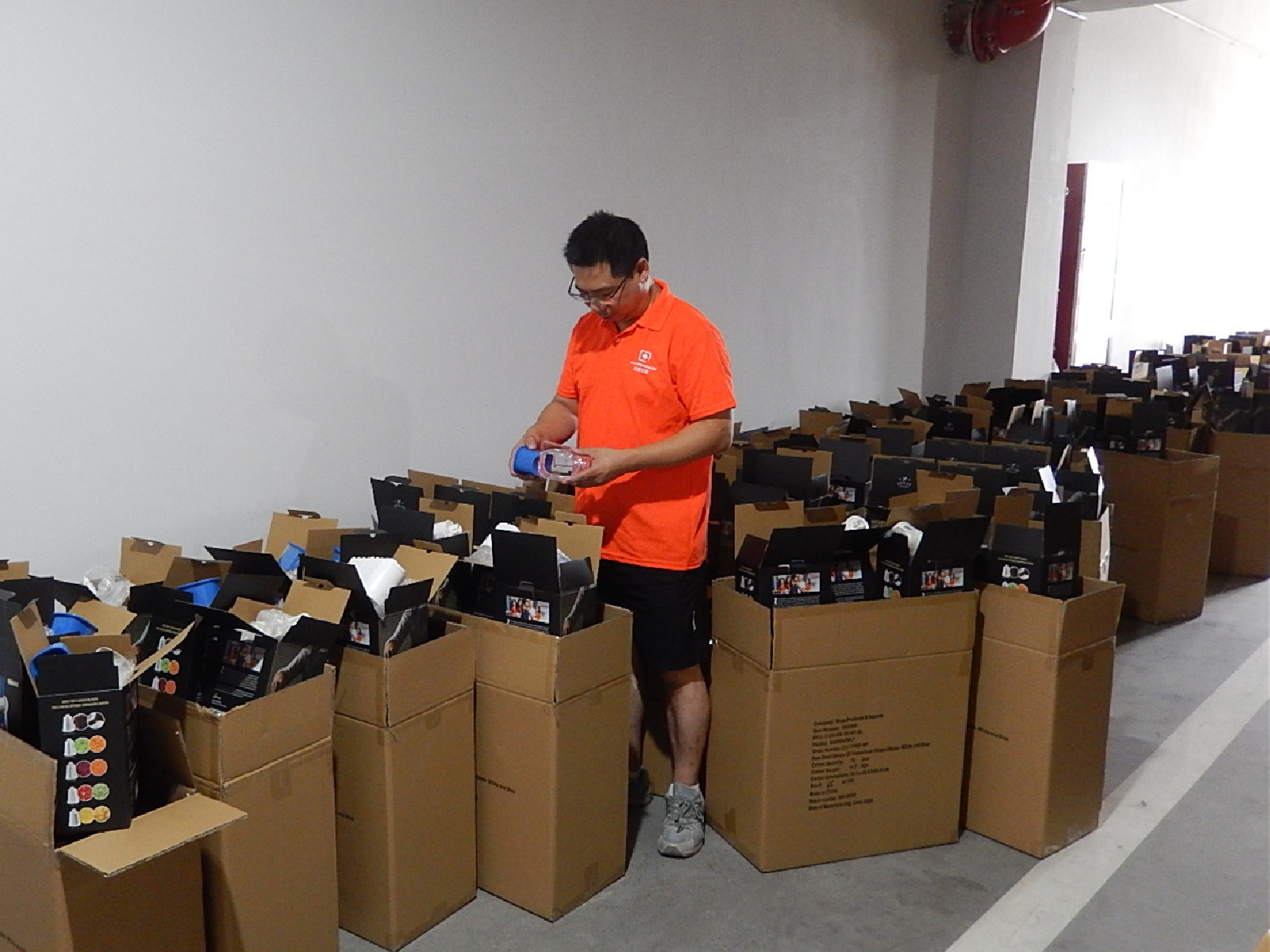
When product 100% production is complete, before or after the product is packaged, theInspector OnlineWe will inspect the appearance, function, safety, and customer requested checkpoints of each product at the factory or at the location designated by the customer according to the customer's requirements, strictly differentiate between good and defective products, and report the results of the inspection to the customer in a timely manner.
III. Comparison of full inspection and sampling
1. Full inspection:
Pros:
Comprehensive quality assurance: As mentioned earlier, full inspection ensures that every product meets quality standards.
Enhance customer trust: For some special industries or customized products, customers often require products with high reliability. Full inspection can enhance the customer's trust in the product.
Drawbacks:
High cost: Full inspection requires a significant investment in manpower, time and resources, especially if the number of products is large, the cost can increase significantly.
Inefficiency: Full inspection takes more time to complete than sampling. In the case of high volume production, full inspection slows down the entire delivery cycle.
2. Sampling:
Advantages: low cost, high efficiency, suitable for mass production.
Cons: Risk of missed tests, not applicable to high risk products.
More on sampling tests:Sampling test - definition of sampling test - sampling test steps - sampling test standards - Inspection and Quarantine Online
As an important method in the field of quality control, full inspection plays an irreplaceable role in inspection companies. Despite the shortcomings of high cost and low efficiency of full inspection, its comprehensive quality assurance and lower risk make it indispensable in high-risk and high-value industries. With the progress of technology and the expansion of application scenarios, the full inspection will play an important role in more industries to protect product quality. For inspection companies, the rational use of full inspection methods, combined with industry characteristics and customer needs, will help improve service quality, enhance customer trust and enhance market competitiveness.


 Chinese
  English
  Japanese
  Korean
  Indonesian
  German