

I. Definition and importance of color fastness
Color fastness refers to the ability of textile color to resist external factors (such as friction, washing, light, sweat, etc.) and remain colorfast and non-staining during processing, use or storage. Poor color fastness can lead to dyeing of other clothes when washing; color loss due to friction when wearing; rapid color fading under light; color migration after contact with sweat or saliva, which may cause skin allergies. 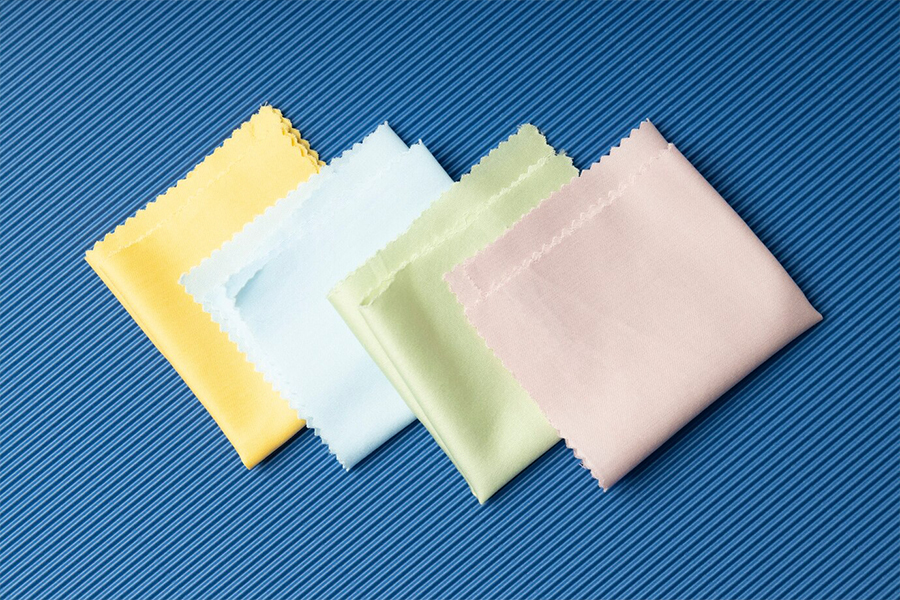

II. Main testing items and standards
internationally recognizedColor fastness testing standardsIncluded:
ISO (International Organization for Standardization): e.g. ISO 105 series of standards;
AATCC (American Association of Textile Chemists and Colorists): e.g. AATCC 61 (color fastness to washing), AATCC 8 (color fastness to rubbing);
GB (China National Standard): such as GB/T 3920 (color fastness to rubbing), GB/T 3921 (color fastness to washing);
JIS (Japanese Industrial Standard): e.g. JIS L 0844 (color fastness to light).
1. Color fastness to rubbing
Rubbing textiles against a standard rubbing cloth (dry/wet) under a certain pressure and grading with a gray card: grade 1 (worst) to 5 (best), usually ≥ grade 3 is required. Evaluate the color loss of clothing after rubbing, such as cuffs, collars and other easily rubbed areas.
2. Color fastness to washing
Textiles are sewn to standard appliqué fabrics, washed at specific temperatures, times, and detergent conditions, and rated on a gray card. Washing temperature, time, pH, and type of detergent all have an effect on color fastness. Discoloration (change in color of the textile itself) and staining (staining of the interlining fabric) are rated separately.
3. Color fastness to light
Tests textiles for color change using xenon arc lamps or carbon arc lamps to simulate sunlight exposure. class 1 (worst) ~ class 8 (best), outdoor products usually require ≥ class 4. Evaluates the color stability of curtains, outdoor clothing, etc. when exposed to light for long periods of time.
4. Color fastness to perspiration
The textile is sewn to the backing fabric, immersed in artificial perspiration (acidic/alkaline), pressurized and dried, and graded with a gray card. Separate ratings for discoloration and staining are usually required ≥ 3. Evaluates the safety of products in contact with skin such as sportswear and underwear.
5. Water color fastness
Textiles are soaked in water, pressurized and dried, and rated with a gray card. Separate ratings for color change and staining are usually required ≥ 3. Evaluates the color stability of absorbent products such as towels and washcloths.
6. Color fastness to saliva
For infant textiles, ratings are given after simulated saliva immersion. Typically requires ≥ level 4 to ensure safety and non-toxicity.

III. Testing process and equipment
Sample Preparation: To cut textiles to specified sizes; to sew to standard appliqué fabrics (e.g., cotton, wool, polyester).
test condition: Parameters such as temperature, time, pressure, light intensity, etc. are set according to standards.
Rating methodology: Determine the color fastness level using a standard gray card compared to a test sample. Quantify color change using a spectrophotometer or colorimeter.
Key Equipment: color fastness to rubbing tester, color fastness to washing tester, color fastness to light box, color fastness to perspiration tester, etc.
IV. Factors affecting color fastness
Dye type: Significant differences in color fastness of reactive dyes, disperse dyes and acid dyes.
Dyeing process: Dyeing temperature, time, pH value, use of color fixing agent, etc. affect color fastness.
Finishing process: Softeners, water repellents, etc. may reduce color fastness.
Fiber Type: Natural fibers (cotton, wool) behave differently from synthetic fibers (polyester, nylon) in terms of color fastness.

Textile color fastness testingIt is a key link to guarantee product quality and consumer safety. Through scientific testing and process optimization, product color fastness can be significantly improved to meet the needs of different application scenarios. Enterprises should strictly follow international/domestic standards and establish a perfect quality control system to enhance market competitiveness.


 Chinese
  English
  Japanese
  Korean
  Indonesian
  German