

This article is a third-partyinspection of goodsSimple implementation by personnelFactory Audit(factory inspection) Provide standardized and systematic operational guidelines.
I. Purpose of Factory Inspection
By standardizing the audit process and inspection points, we ensure that the audit results are objective, fair and comprehensive, and effectively assess the comprehensive capability and risk of the factory.
Two,Audit objectives
Audit the basic level of the factory in terms of legality, quality management, production operation, supply chain reliability, etc., to identify potential risks, and provide reference basis for the customer's cooperation decision.
Three,workflow
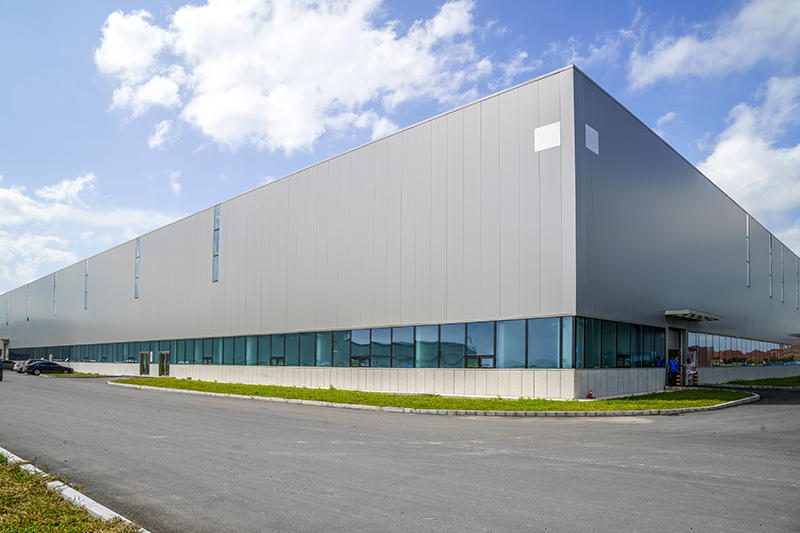
From the outside to the inside: Starting from the peripheral environment of the factory, gradually penetrating into the core production area.
From static to dynamic: from static document review, to dynamic production scenarios.
From surface to point: In each area, tasks such as interviewing, auditing, collecting information, and taking photographs will be done in points.

Four,Process Execution
Stage I: Arrival and initial meeting (30 minutes)
Observations: outside factory environment, security management status, photographing factory gates and labels.
Interview: Meet with the person in charge of the factory to clarify the purpose of the audit, the process, the commitment to confidentiality, and to confirm the accompanying personnel and schedule.
Information: Verification of the original business license and photographs, collection of organizational charts.
Stage II: Document review (60-90 minutes, recommended in a conference room)
(i) Basic plant information:
1. Verify the consistency of the original business license with the prequalification documents.
2. Ask about the company structure, legal representative and actual controller.
3. Quickly verify whether there is any serious violation of law, breach of trust record or major litigation through tools such as Enterprise Search (can be completed in advance).
(ii) Systems and management documentation:
1、Check whether the quality manual and program documents are complete and whether they are controlled versions.
2、Sample check the key process work instructions (WI), standard operating procedures (SOP) whether in the field easy to access, version of the latest, the content is clear and easy to understand, take photos of the details.
3. Check the maintenance records of the equipment and the calibration certificates of the measuring instruments (e.g. vernier calipers, torque wrenches) to confirm that they are within the validity period.
(iii) Human resources related:
1. Sampling 10-20 randomly selected employee labor contracts to check the signing rate and compliance with contract terms (e.g., wages, hours of work).
2. Examine the attendance records and payroll for the past 12 months to check for consistency, serious overtime (e.g., more than 36 hours per month), and wages below the local minimum standard.
Points of Attention:
1、Verify system certificates (ISO 9001/14001) and product certifications (CE/UL/RoHS), whether they are controlled and latest version.
2, many customers will require the current “humane care” survey into the factory inspection process, which is more in-depth assessment of the factory's sustainability and potential risks; “humane care” survey should be used as a clue to penetrate into a number of processes through observation, interviews, document audit three ways of cross-comprehensive verification. The "humanistic care" survey should be used as a clue to penetrate into multiple processes, through observation, interviews, document review and cross-comprehensive verification.
Stage 3: Dynamic Audit of Production Areas (approx. 2-3 hours)
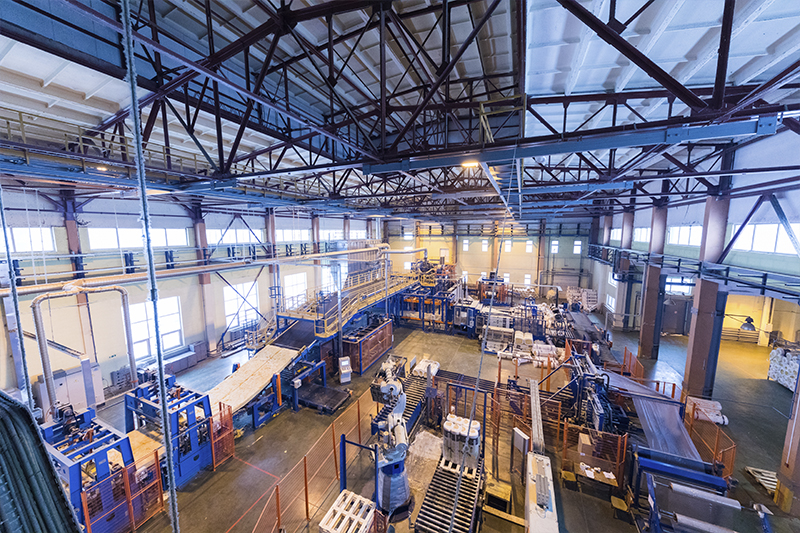
(i) Production environment and 5S management:
1. Observe whether the overall environment is clean, organized and bright.
2, check the implementation of 5S (organizing, reorganization, cleaning, cleaning, literacy): whether the area is clearly divided, materials, tools are negative positioning, the ground has no debris, clean whether there is a record.
3. Evaluate whether ventilation, temperature and humidity, and lighting meet the requirements for product production.
(ii) Condition and maintenance of equipment:
1、Observe whether the production equipment is clean and intact, and whether there is any phenomenon of running or leaking.
2、Check whether the equipment point inspection form and maintenance records are filled in on time and in a standardized manner.
3. Ask the operator if he is familiar with the equipment operating procedures and simple troubleshooting.
(iii) Production process control:
1, check the first piece of inspection records, inspection records are complete and standardized.
2. Observe whether the operator operates according to the operating instructions.
3、Check whether the marking (name, specification, status) of materials, semi-finished products and finished products are clear.
4、Check whether there is a segregation area and clear identification of nonconforming products, and whether the handling process is clear.
Points of Attention:
1. Capacity survey:
Ask about the design capacity and current actual capacity of major production lines.
Calculations are based on a rough assessment of daily/monthly capacity based on the number of equipment, labor hours, and bottleneck process beats.
Understand current order saturation.
2. Delivery cycle:
Ask what the standard lead time is from order taking to delivery.
Investigate key factors affecting lead times (e.g., material sourcing, production bottlenecks, etc.).
3. Detailed photographs:
Equipment point checklist, calibration labels, 5S problem points, safety hazards, operation process of key processes, scenes of employees being worked on, etc.
Phase IV: Quality Control Areas and Laboratories (40-60 minutes)
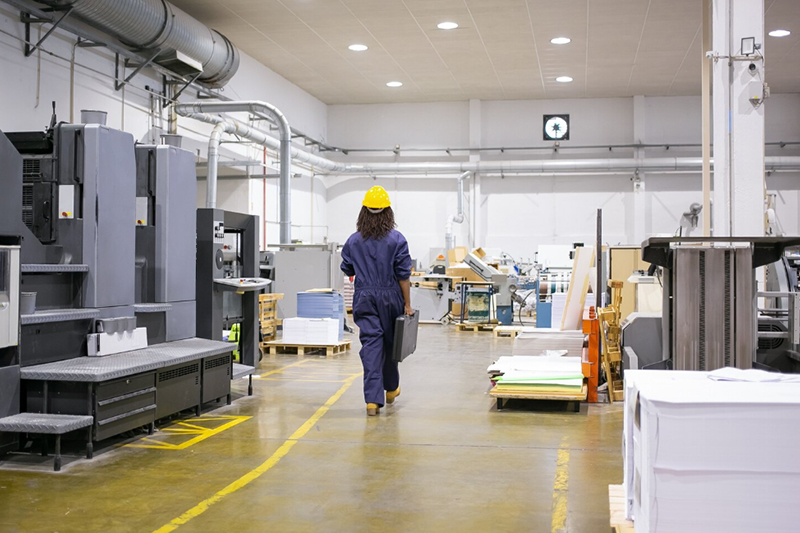
(i) Inspection and testing:
1、Check the standards and records of incoming material inspection (IQC), process inspection (IPQC) and final inspection (FQC/OQC).
2. Verify that the test equipment is calibrated and the test environment is controlled.
3. Ask questions to inquire about the QC staff's understanding of the acceptance criteria and the process of handling nonconforming products when they are found.
(ii) Sample rooms and laboratories:
1. Check whether the samples are well preserved and clearly labeled (including customer, date and project).
2. Evaluate whether the testing capability of the laboratory (if any) matches the product requirements.
Stage 5: Employee Interviews (15-20 minutes)
Ensure that the atmosphere is relaxed and that no managers are present, and explain to the employee the confidentiality of the interview. Example question set:
1. Working hours and remuneration:
“How many days did you work last week/month? About how many hours did you work each day? How was overtime?”
“Does the company pay salaries on time? Are there any delinquencies encountered?”
2. Management and respect:
“If you have a problem with the organization or management of your work, do you know who you can talk to?”
“How is the supervisor's or manager's attitude when communicating with you in general?”
3. Care and support:
“Does the factory provide any training in health and safety?”
“If you're not feeling well, would it be convenient to take a vacation?”
Points of Attention:
1. Ask questions covering overtime, wages, training, safety and so on.
2. Problem points: invisible compulsory overtime; whether the management style is appropriate; whether the complaint mechanism is effective; care for special groups; corporate culture activities, etc.
Stage VI: final session (30-45 minutes)
1. Systematic reporting of audit findings, from compliance to non-compliance. (Show some photographic evidence)
2. Clarify the corrective measures to be taken for non-conformities and the time limit requirements.
3. Thank you for the factory cooperation.
Stage 7: Leaving the plant and reporting for audit
The report should be clearly structured and contain at least the following sections:
1. Summary: Overall assessment, core strengths, key risks and concluding recommendations.
2、Basic information of the factory: name, address, contact person, audit date, etc.
3. Scope and criteria of the review.
4, conclusions and recommendations for improvement: the main non-conformity of the specific, operational corrective and preventive measures proposed.
5. Within 24 hours, based on site records, prepare a detailedFactory Inspection ReportThe
Five,caveat
(i)Tool Preparation
Recording tools: notebooks, pens
Forensic equipment: camera / cell phone, rechargeable treasure
Measuring tools: tape measure, calipers, etc. (as needed)
Documentation: Checklist, Commissioning Requirements, Factory Information
Personal effects: reflective clothing, etc.
(ii)code of conduct
1. Each important discovery point should have photos or videos as objective evidence. (Consent is required to take photographs)
2. The report contains an executive summary, plant information, audit scope, detailed findings and recommendations, etc.
3. Maintaining objectivity and professionalism, observing confidentiality and security regulations, and integrity and self-discipline

 Chinese
  English
  Japanese
  Korean
  Indonesian
  German