

I. Classification by severity of defects
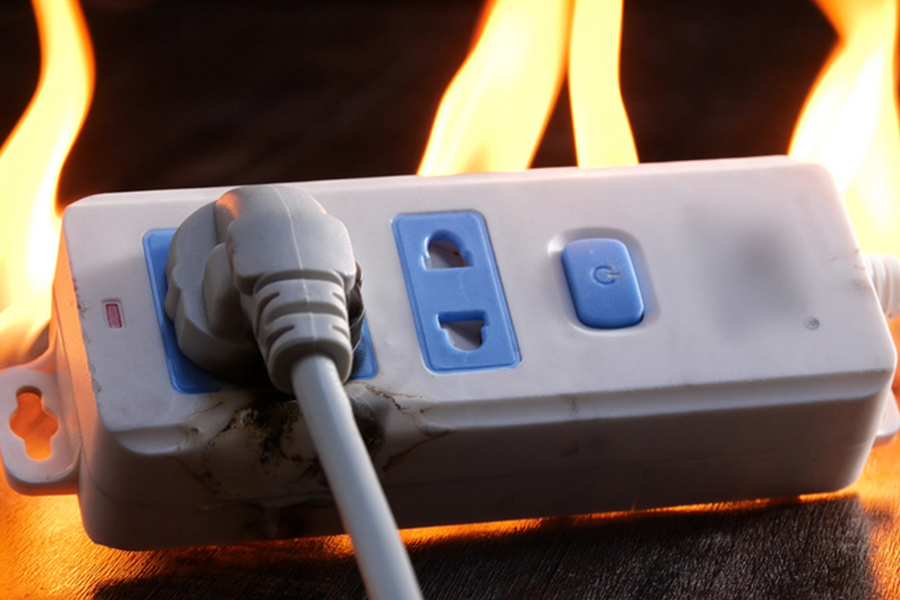
1. Critical Defect (CD)
Defects that directly lead to the loss of core functions of a product, pose safety hazards and may jeopardize the safety of persons or property must be subject to zero tolerance. Examples include leakage of electricity in electrical products, failure of automobile brakes, and the presence of highly toxic substances in food products. Such defects can lead to products that are totally unacceptable and must be recalled or destroyed immediately.

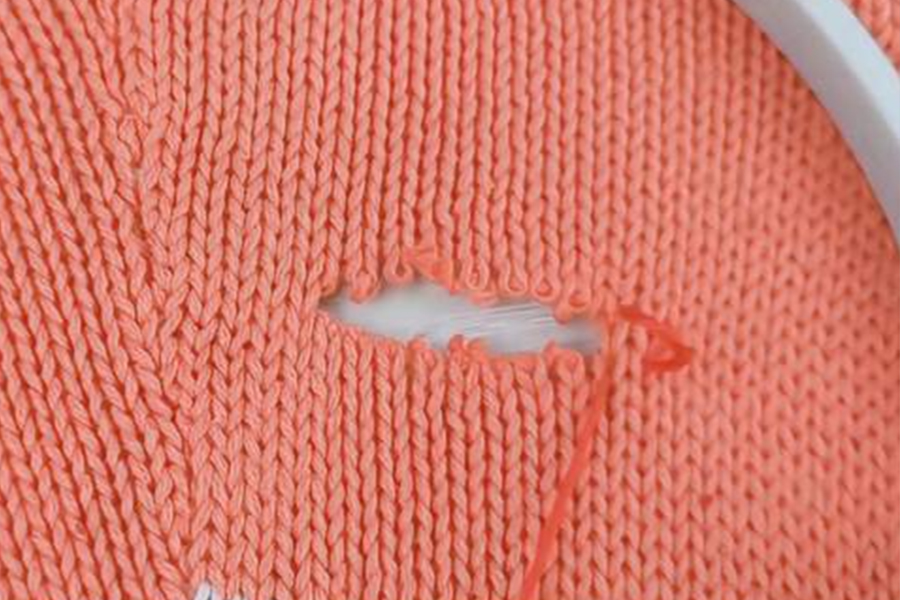
2. Serious Defect (Major Defect)
Defects that affect the realization of the product's main function or significantly reduce its value in use, but do not directly jeopardize safety. For example, cell phones can not receive calls (core function failure), clothing large open line (affect wear), mechanical parts size deviation leads to assembly difficulties. The product needs to be reworked and repaired, otherwise it cannot be used normally and user acceptance is extremely low.
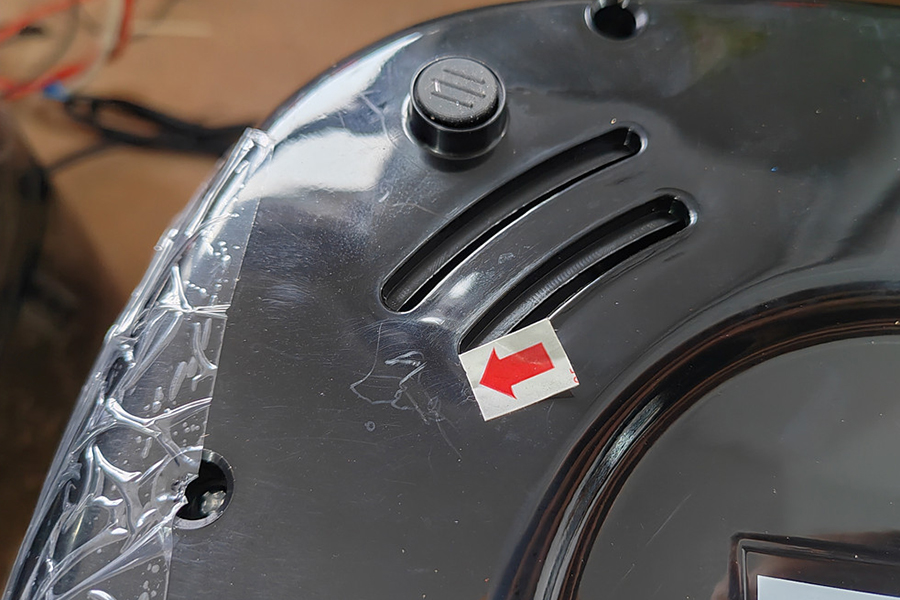
3. Minor Defects (Minor Defects)
Defects that do not affect the core function and safety of the product, and are only flawed in appearance and details. For example, minor scratches on the surface of the product, crooked labeling, slight damage to the packaging, etc. Users may reluctantly accept it, but it will reduce product satisfaction.
Second, how to determine the quality defects?
1. Clarification of "prescribed requirements" (criteria for judgment)
- Legal standards: National/industry mandatory standards (e.g. GB standards for food safety, IEC standards for electrical safety);
- Contractual agreement: The quality terms (e.g. dimensional tolerances, performance parameters) are specified in the contract between the supplying and demanding parties;
- Internal standards: internal control indicators (e.g. product appearance inspection rules) established by the enterprise.
2. Examples of different types of product quality defects
1) Electronic Products
- Minor defects: minor scratches or color differences in the casing; minor damage to the box that does not affect the product's functionality; occasional inconsequential UI display errors in the system.
- Serious defects: bad dots or slight light leakage on the screen; battery life significantly lower than the nominal value; software frequently lags or some functions are unavailable (e.g. unstable Bluetooth connection).
- Fatal defects: batteries overheating or even catching fire and exploding; short-circuiting of the motherboard causing the device to fail to power on; failure of critical safety features, etc.
2) Clothing and Textiles
- Slight defects: threads not trimmed clean; buttons slightly loose but not affecting use; slight color difference (between batches).
- Serious defects: seams are open or stripped; zippers are stuck or easily damaged; fabrics are badly pilled or faded.
- Fatal defects: children's clothing with small parts that can easily fall off (choking risk); excessive formaldehyde or harmful dyes; fireproof clothing that is not flame retardant (failure of safety and protection).
3) Toys and children's products
- Minor defects: slight burrs on the surface of the toy but not scratchy; slight damage to the box.
- Serious defects: electronic toys have very short battery life; plush toys have uneven padding.
- Fatal defects: small parts can easily fall off (choking risk for children under 3 years old); excessive lead or toxic substances; structural instability leading to collapse (e.g., cribs).
III. Judgment process (using manufacturing as an example)
- Sampling or full inspection: Sampling (e.g. AQL sampling standard) or full inspection is chosen according to the importance of the product;
- Item-by-item comparison: testing of function, safety, performance, appearance and other indicators according to standards;
- Record deviations: Detailed records of non-conforming items (e.g., location and extent of defects);
- Grading decision: Categorize according to severity (fatal / severe / minor, etc.) and decide on treatment (rework, scrap, etc.).
Categorization of quality defects needs to be combined with dimensions such as severity and nature, and the key to judgment is to compare the actual state with clear standards. Clear standards, scientific testing and hierarchical treatment are the core logic of effective management of quality defects.

 Chinese
  English
  Japanese
  Korean
  Indonesian
  German